
Salting vs. De-Icing a Colorado Springs Parking Lot: What Works Below 15°F
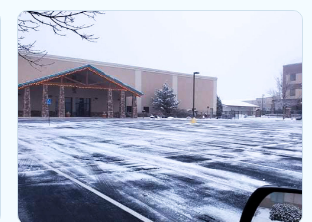
Plowing is only half of commercial snow removal in Colorado Springs. What you put down after the blade matters more for liability, because refreeze at 4 p.m. on a sunny day is what actually puts people on the ground.
Rock salt has a temperature floor
Standard sodium chloride stops melting effectively around 15°F. Colorado Springs regularly drops below that overnight in January, which is why a lot salted at 5 p.m. can be glazed by 7 a.m.
When we switch products
- Above 20°F: granular rock salt on lots, walks and ramps.
- 15°F and below: magnesium or calcium chloride blends that keep working.
- Packed shaded areas: sand for traction where melt won't happen.
- Before the storm: liquid brine so snow never bonds to the asphalt.
Pre-storm brine saves money
Anti-icing brine applied 12–24 hours ahead of a forecast keeps snow from bonding, which means faster plowing, fewer passes and less total salt on your lot. On downtown Colorado Springs lots with limited stacking space, that's the difference between one visit and three.
Protect the asphalt and the striping
Over-salting eats sealcoat and fades striping. We meter application rates to conditions, and because we also stripe lots in the summer, we care what your asphalt looks like in May.