
Best Deck Material for Colorado Springs: Cedar vs. Composite vs. Pressure-Treated
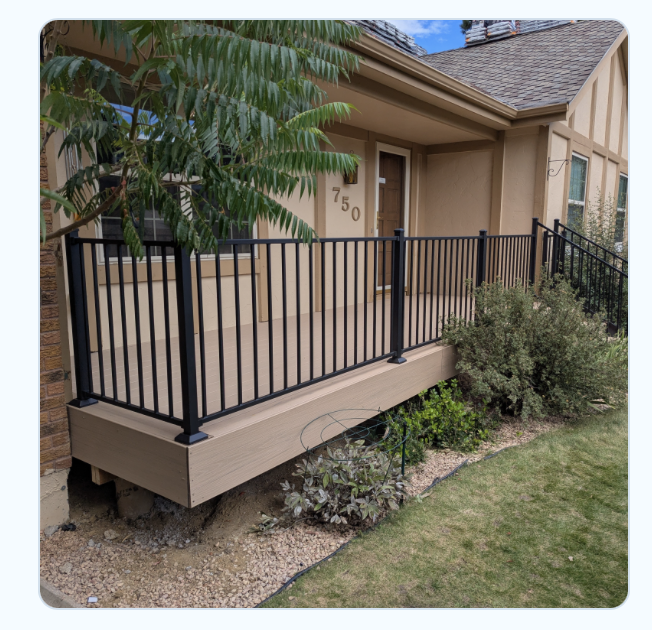
A deck in Colorado Springs takes more abuse than the same deck in Denver or Dallas — thinner air means harsher UV, and freeze-thaw cycles run all winter. Material choice decides whether you're sanding and staining every other spring or just sweeping it off.
Cedar
Western red cedar is the warmest-looking option and the most forgiving to work with. It handles Colorado's dry air well but needs a UV-blocking seal every 2–3 years. Skip that and the boards gray out and check within a few seasons.
Composite (Trex, TimberTech, AZEK)
Capped composite is the low-maintenance winner at altitude — no staining, no splinters, strong UV warranties. It costs more up front and runs hotter in direct August sun, so we recommend lighter colors on south-facing Colorado Springs decks. Joists must be at 12" on center for most composite lines.
Pressure-treated
Ground-contact treated lumber is the budget pick and still the standard for framing under every deck we build. As decking it works fine if you're willing to stain it, but it moves more than cedar as it dries at altitude.
What matters more than the boards
- Footings below the 36" frost line — the #1 cause of failed Front Range decks.
- Proper flashing at the ledger so meltwater doesn't rot your rim joist.
- Snow load engineering on covered decks and pergolas.
- Code-compliant railing height and baluster spacing for permit sign-off.
Permits and HOA
Nearly any attached deck more than 30 inches above grade needs a permit in Colorado Springs and most surrounding jurisdictions. We pull it, submit engineering and handle HOA architectural review.